


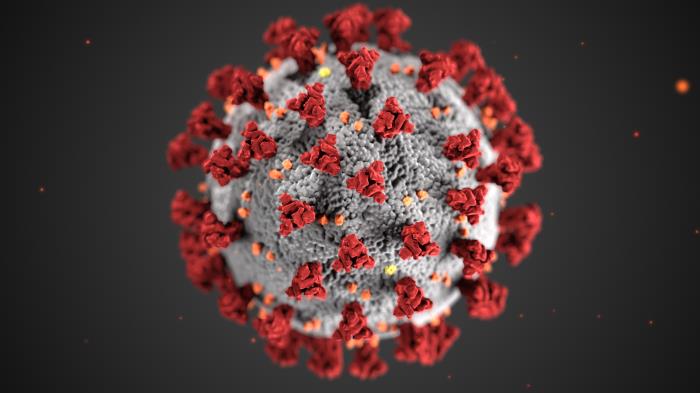
The devastating effects of the COVID-19 pandemic cannot be doubted. As the death toll rises, healthcare systems are on the verge of collapse, and the global economy is in crisis, governments and citizens around the globe have taken unprecedented steps to curb the spread of the illness.
As we cope with this crisis, it is important not to lose sight of one of its root causes: animal consumption.
COVID-19 is currently thought to have originated in a “wet market” in Asia, where farmed and exotic animals are tied up or stacked in cages.1 While the exact source may be uncertain, “there is no question that this virus moved into humans from an animal source”, according to Columbia University epidemiologist Ian Lipkin.2
The relationship between animal consumption and human illness is well established. As Dr. Michael Greger noted in a 2008 public lecture, a host of diseases such as measles, smallpox, whooping cough, typhoid fever, influenza, leprosy, and even the common cold resulted from the domestication of animals starting roughly 10,000 years ago.3 The evidence that this is so is very strong; seminars were held at the Centers for Disease Control and Prevention in Atlanta over 30 years ago describing this reality to scientists.4
The more recent move to intensive farming has increased the risk of viruses being spread from animals to humans. A 2004 report by the World Health Organization, the Food and Agricultural Organization of the United Nations, and the World Organization for Animal Health stated:
Recent outbreaks of severe acute respiratory syndrome (SARS) and avian influenza have shown once again the potential of microorganisms from animal reservoirs to adapt to human hosts. During the past decades, many previously unknown human infectious diseases have emerged from animal reservoirs, from agents such as human immunodeficiency virus (HIV), Ebola virus, West Nile virus, Nipah virus and Hanta virus. In fact, more than three quarters of the human diseases that are new, emerging or re-emerging at the beginning of the 21st century are caused by pathogens originating from animals or from products of animal origin.
The report identified the “increasing demand for animal protein” as one of the primary risk factors for the emergence and spread of infectious diseases.5
In 2005, a United Nations task force warned that “[g]overnments, local authorities and international agencies need to take a greatly increased role in combating the role of factory-farming, commerce in live poultry, and wildlife markets which provide ideal conditions for the virus to spread and mutate into a more dangerous form”.6
Knowing the direct link between animal consumption and deadly viruses, we have the power to make choices to reduce the risks. China is considering a ban on eating and trading in wildlife,7 but singling out the specific cause of COVID-19 ignores the fact that the risks will continue to exist as long as we continue to engage in any kind of intensive animal farming. The next pandemic could easily originate in North America.
The widespread adoption of a plant-based (vegan) diet could protect us against future pandemics. As we spend more time at home to avoid spreading the COVID-19 virus, this might be the perfect time to learn more about the many benefits of adopting a plant-based diet and to begin making a positive change.
Dr. Greger points out in his lecture that pandemics are often discussed as if they were natural disasters, like hurricanes or earthquakes, over which we couldn’t possibly have control. “The reality, though, is that the next pandemic may be more of an unnatural disaster of our own making.”
[3] https://nutritionfacts.org/video/pandemics-history-prevention/
[4] D. Steele, personal communication.
[6] https://news.un.org/en/story/2005/10/157792-un-task-forces-battle-misconceptions-avian-flu-mount-indonesian-campaign.
Note also that the pandemic of 1918, now known to be bird flu, was highly contagious and killed 2.5% of those it infected. A modern strain of bird flu, H5N1, kills 50 percent of those it infects. Fortunately, human-to-human transmission of H5N1 is very limited, but research has shown that with only a few mutations, H5N1 could become airborne. If this were to occur, the ensuing pandemic could be far more devastating than COVID-19.
Photo credit: CDC/ Alissa Eckert, MS; Dan Higgins, MAMS