

Like a lot of North Americans, I grew up eating a typical North American diet. Each meal was planned around the meat we were eating. And like a lot of children, I grew up as a picky eater, hesitant to try new things. I maintained a fairly boring, meat-centric diet until I transitioned to veganism in my early twenties.
Along with, what were for me, many big, life changing benefits of being vegan, one of the perks I wasn’t expecting was how my food repertoire expanded. Veganism helped me to discover new foods that I had never eaten before, many of which have now become staples in my diet.
Here are ten of the foods I didn’t eat until I was vegan (and now love):
1. Tofu and tempeh
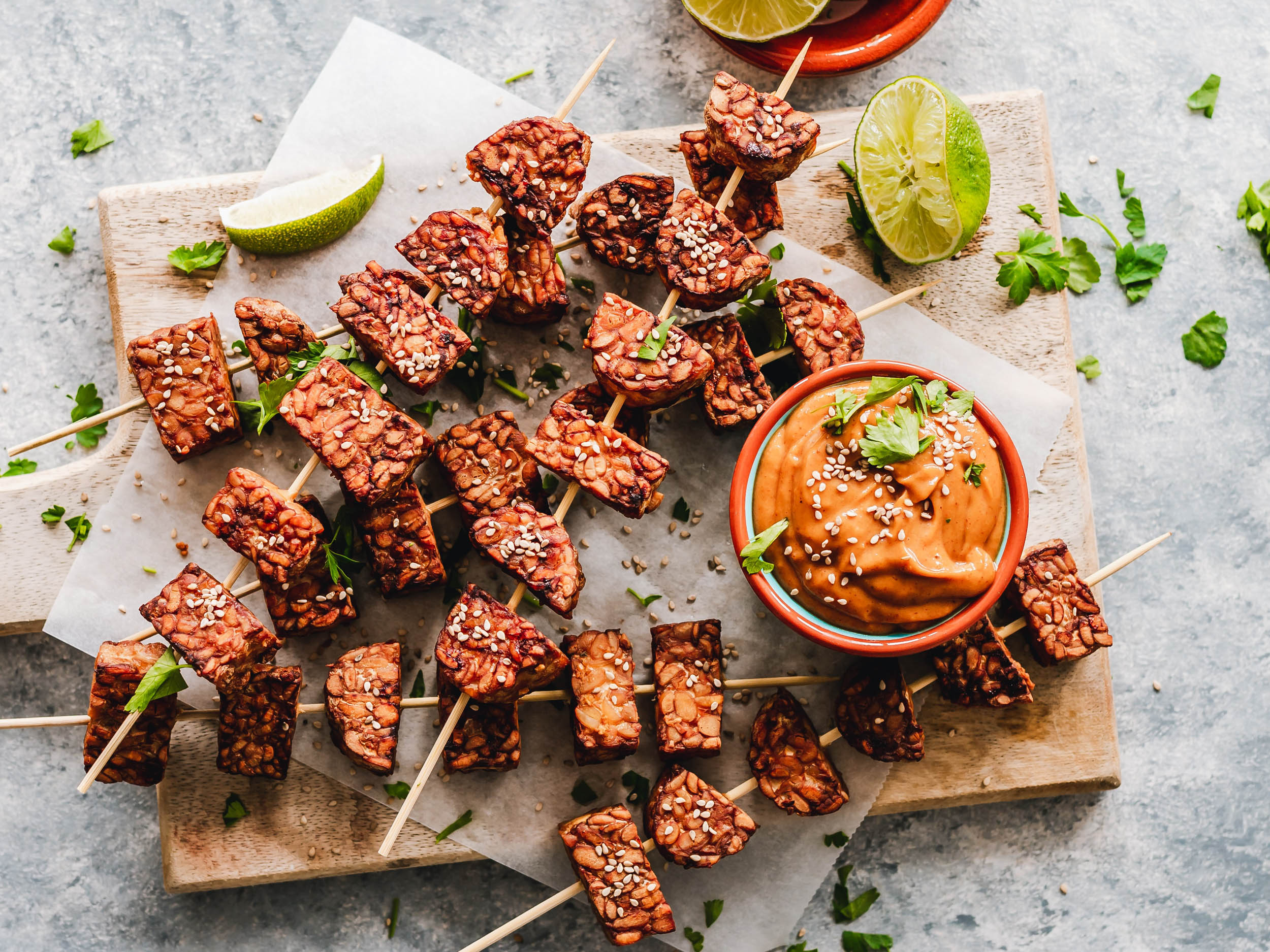
Tofu and tempeh are a great way to add protein and texture to a vegan meal. But as someone who had never tried these foods before, it took me a long time to fall in love with them. I ate a healthy vegan diet without this source of protein for many years. Now that I’ve learned how to properly season and cook it, tofu/tempeh has become a staple in my Buddha bowls, stir-fry, pasta sauces, tacos, or as a dish on its own.
2. Avocado
It’s hard to believe I grew up without avocados! But a lot of us did before the avocado toast craze. Now they’re common in many diets, but are particularly helpful in a vegan diet for adding healthy fats and nutrient density. I love adding avocado to salads or smoothies or using it to make cream sauces – or putting it on toast of course!
3. Tahini
Tahini is made out of ground sesame seeds and is packed with fibre, protein and B vitamins. One of the most versatile staples in my kitchen, I use tahini in baking, cooking, sauces and dressings. I use it in my favourite granola recipe and my favourite salad dressing. I also love using it as an alternative to nut butter in cookies, like these ones. And of course to make hummus.
4. Lentils and split peas
These are the less talked about legumes that provide a key source of protein in a vegan diet, along with beans and chickpeas. They are also an important source of iron in my diet. Lentils and split peas make a great side dish on their own, or can be used to make soups, salads and loaves. This split pea salad is one of my go-to summer dishes right now, and this lentil loaf is a delicious and hearty option.
5. Raw cashews
I love snacking on cashews, but raw cashews are also a versatile option for making “cheesy” and creamy dishes or sauces. They work well as a base in savoury meals (like fettuccine alfredo or nachos) or sweet desserts (like cheesecake). It’s important to get cashews from an ethical source, such as these ones.
6. Jackfruit
More of a treat than a staple for me, the unique texture of jackfruit makes for a good “pulled pork” substitute in sandwiches and tacos. You can find it served at some restaurants in Vancouver (such as The Arbor) or sold already seasoned and ready to go (such as by The Very Good Butchers).
7. Nutritional yeast
I’d never heard of nutritional yeast before going vegan, but now I always keep it stocked in my cupboard. It adds a “cheesy”, savoury flavour to dishes or sauces and is delicious sprinkled on pasta or popcorn. Nutritional yeast is known in the vegan community as a good source of B vitamins, with some brands, including Red Star and Bob’s Red Mill, fortified with additional vitamins including vitamin B12.
8. Chia, hemp and flax seeds
I turned to these seeds as a source of omega-3 fatty acids when I became vegan and now love adding them to my food whenever I can. I add ground flax seed into my smoothies in the morning and use them as a substitute for eggs in baking. I love making chia pudding for breakfast or dessert, and sprinkling hemp seeds onto my salads, Buddha bowls and acai bowls.
9. Kimchi and kombucha
These are my favourite vegan sources of probiotics, which non-vegans typically get from eating yogurt. Probiotics come from bacteria-fermented foods and can contribute to good digestion and gut health. I get my favourite kombucha from O-Five Tea in Vancouver, or I love experimenting with making my own. Kimchi (or alternatively, sauerkraut) adds delicious texture and crunch to a dish and is packed with probiotics.
10. Dark chocolate
Probably my favourite on this list! I have a big sweet tooth and was always a milk chocolate lover. Since becoming vegan, my love for dark chocolate has grown – I even learned to make it from scratch at Coconama in Vancouver. Non-vegans often think vegans don’t eat chocolate, but that’s not the case at all. I eat it (in moderation) almost every day! Most chocolate that has 70% cacao (or higher) is vegan. Aside from satisfying sweet cravings, dark chocolate is a good source of antioxidants and iron. My favourite vegan chocolate in Vancouver is Zazubean. As with cashews, it’s important to consume chocolate that is ethically sourced – this Food Empowerment Project list is a good resource for that.
Often when non-vegans think about what it means to be vegan, they think about all the foods they would have to cut out of their diet. But for me it was the opposite – as I became vegan, I started to explore all kinds of foods that I hadn’t tried before. I learned about the foods I was eating and how they nourished me. My diet is now not only healthier, but is also more expansive and exciting than it ever was before. I encourage you to incorporate these foods into your diet and hope you enjoy them as much as I do!
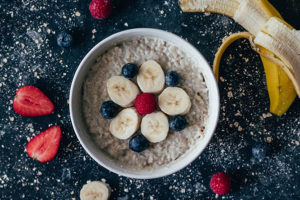
Photo by Ella Olsson on Unsplash