


Meat industry lobbyists in the EU recently failed in their attempt to prevent plant-based foods from being labelled with terms such as “burger,” “sausage,” or “steak.” Fortunately, the European parliament rejected their claim that the use of these meat-related terms to describe plant-based products, like “veggie burgers,” is misleading to consumers.
That said, the EU parliament reached a different conclusion regarding plant-based dairy alternatives. Plant-based products already cannot be labelled using dairy-related terms such as “vegan cheese” or “soy milk,” but the new decision goes further, restricting the use of comparative terms like “yogurt-style” or “cheese-alternative.” The Swedish oat milk company Oatly has called this “a wacko, incomprehensible direction to take in the middle of a climate crisis.”
These labelling battles are playing out worldwide, with Tofurky recently bringing a constitutional challenge to a new Louisiana law that prohibits the labelling of plant-based products with terms like “burger” and “sausage.” Similar laws and proposals in other U.S. states are also under dispute.
Here in Canada, there have not yet been any legislative proposals to ban terms like “veggie burger,” though, like in the EU, the law is more strict when it comes to dairy alternatives. Words like “milk,” “butter,” and “cheese” cannot be used to describe non-dairy products, and in recent years some vegan businesses have come under scrutiny of the Canadian Food Inspection Agency as a result. These restrictions may be challenged in the future, with plant-based advocates arguing that these restrictions violate freedom of expression.
With the rise in popularity of plant-based foods, backlash from animal exploitation industries is to be expected. Their market share is under threat as, more and more, the public is rejecting the environmentally destructive and cruel meat, dairy, and egg industries. It seems clear that the recent attacks on “veggie burgers” and dairy alternatives are not really about protecting consumers from being misled. On the contrary, as Oatly notes, the labelling restrictions actually make it more challenging for consumers to make informed decisions:
Consider this. If a liter of cow’s milk generates 293% more greenhouse gas emissions than a liter of oat drink, doesn’t it make perfect sense that the number one priority of all those milk lobbyists is to forbid this weakness from being exposed? And when the Milk Lobby decides to flex its protein-rich muscles we all know what happens—the public loses out. How will consumers now be able to easily compare different food products in order to make more informed decisions about what they eat?
Much like ag-gag legislation, the labelling battles appear to be a clear attempt to silence those who are bringing the harms of animal products and the benefits of plant-based products to the public’s attention.
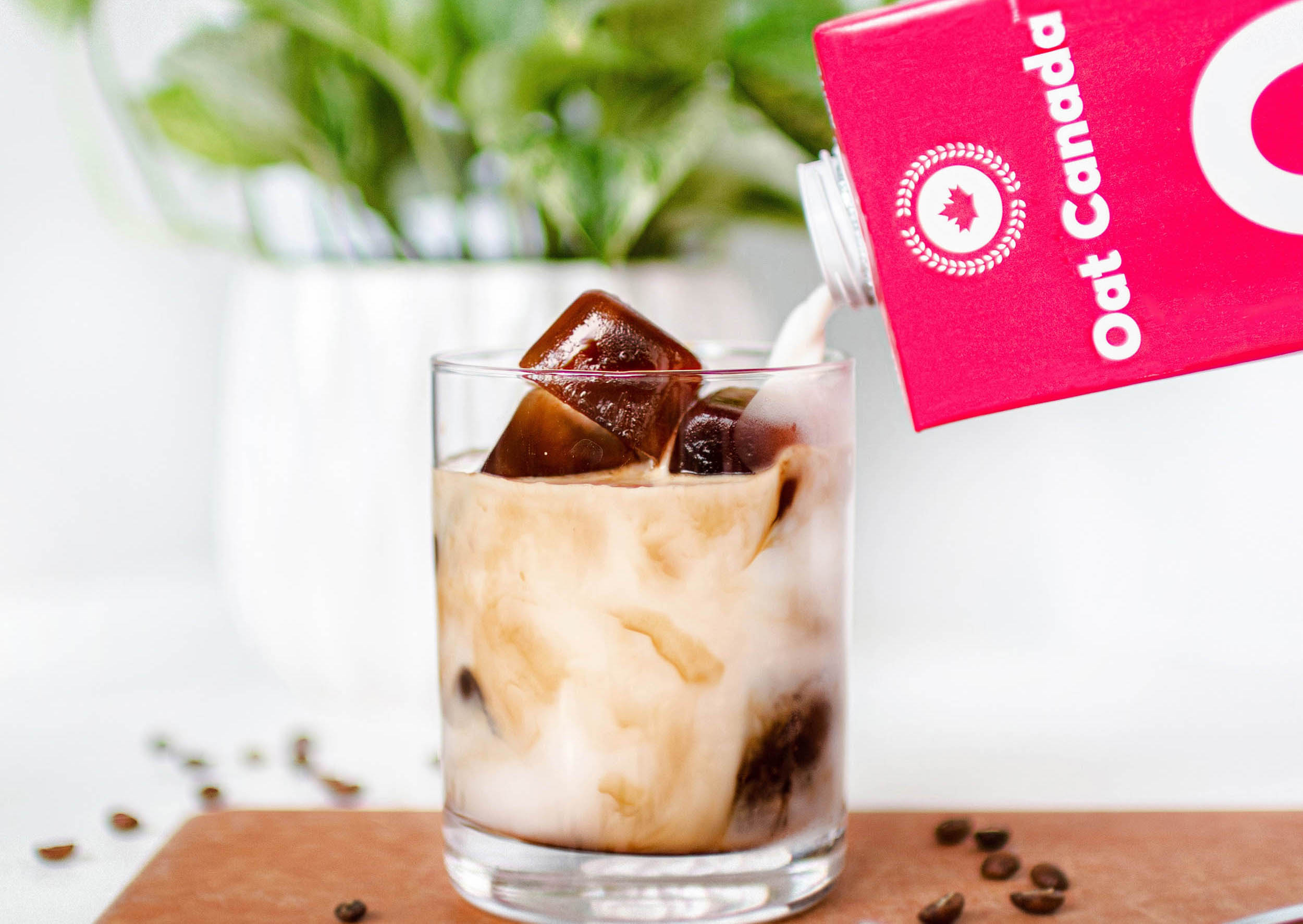
Photo by Oat Canada on Unsplash