


First developed in China thousands of years ago, fireworks shows have long been a traditional part of many celebrations across the world. Fireworks are considered exciting entertainment for a lot of people, and are often central components of holiday celebrations like New Year’s Eve or Canada Day. As a fan of Disney theme parks, I’ve certainly enjoyed many fireworks shows throughout my life.
Recently, however, many cities have been taking a closer look at the harms that fireworks can cause to animals, the environment, and humans. In November 2020, Vancouver City Council voted to ban the sale and use of consumer fireworks by 2021.1 Victoria, Esquimalt and Oak Bay have also banned fireworks unless they are for large cultural celebrations.2 There are some other cities in Canada that have banned the sale of consumer fireworks, like Wood Buffalo,3 Alberta, but there are not widespread restrictions across the country.
This made me want to reconsider my position on fireworks, and learn more about these harms. Here are some of the impacts that I found:
1. Impacts on Non-Human Animals
While we may enjoy watching firework shows, they can be extremely distressing and harmful for the non-human animals in our communities.
For instance, some humans may not be bothered by the sounds associated with fireworks, but the hearing of many animals is much more sensitive than it is in humans. The explosions can not only be more disturbing to these animals but they can also cause damage to their hearing.
Household pets are extremely sensitive to the full spectrum of sensory impacts of fireworks: loud noises, flashing lights and strong smells. Fireworks can emit sounds of up to 190 decibels (dB) that’s 110-115dB above the level where damage to the human ear begins. Fireworks are louder than firecrackers, gunshots (140 dB), and some jet planes (100 dB).4 Sounds as intense as these can be very harmful and disturbing to animals, for example proximity to gun fire can result in hearing loss in dogs.
Wild animals are unfortunately impacted as well. On New Year’s Eve in 2010, some 5,000 birds tragically passed away in Beebe, Arkansas after suffering blunt-force trauma from colliding into cars, trees and buildings after panicking from the noise of fireworks.5 According to a 2010 study by a multidisciplinary team of researchers from the Netherlands, when a fireworks display starts, waterfowl regularly flee en masse from nearby bodies of water and fly to altitudes of 800 metres above the ground.6 In 2008, federal officials showed that seabirds in Gualala, California abandoned their nests after a fireworks show, leaving their eggs vulnerable to predators and other dangers.7
On New Year’s Eve in 2010, some 5,000 birds tragically passed away in Beebe, Arkansas after suffering blunt-force trauma from colliding into cars, trees and buildings after panicking from the noise of fireworks.
Just this year, in Rome, hundreds of birds sadly died on New Year’s Eve. The exact cause of death is unclear, although it is believed the deaths were linked to firework displays that took place in the city despite a ban being announced prior to the holiday.8
Lastly, humans gathering on beaches and other areas that are considered home by wildlife, could cause harm to animal habitats (i.e. unintentionally trampling birds’ nests).
2. Environmental Impacts
According to Gary Fuller, Senior Lecturer in Air Quality Measurement at King’s College London, fireworks can lead to substantial air pollution problems.9 Fuller points to documented examples from cities around the world:
- In Spain, metal particle pollution from Girona’s Saint Joan fireworks fiesta can linger in the city for days.10
- Across India’s cities, the annual Diwali fireworks cause pollution that is far worse than Beijing on a bad day. Across India, Diwali fireworks have been linked to a 30% to 40% increase in recorded breathing problems
In Germany, Jürgen Resch, leader of a German environmental group, has also campaigned for stricter fireworks restrictions, noting that Germany sees 10,000 tonnes of plastic and hazardous waste caused by fireworks left lying around after New Year’s Eve.11
While the firework sparkles only last a few seconds, the air pollution can linger in cities for hours. Firework smoke is rich in tiny metal particles making it very different from normal urban air pollution. A 2020 study found that pyrotechnic display particles can produce adverse effects in mammalian cells and lungs and suggested that further research is needed to expand our understanding of the contribution of metal content to the adverse health effects of fireworks particles.12
Furthermore, fireworks that fall to the ground contain residues of unburnt propellants and colourants, while particle pollution in the air eventually deposits on the ground or gets washed out by rain. A 2007 study found that some of this pollution can end up in lakes and rivers.13
Fireworks can also unsurprisingly cause fire damage. For example, Vancouver Fire Rescue Services has estimated that fireworks cause an average of $300,000 to $400,000 each year14 in the city alone.
3. Impacts on Humans
Fireworks may be an enjoyable celebration for some, but for other members of our communities, they can be very dangerous. According to the US Consumer Product Safety Commission’s 2019 Fireworks Annual Report, fireworks were responsible for 12 deaths and an estimated 10,000 emergency room visits across the US in 2019.15
The harms to humans extend past the physical. People with a variety of experiences, traumas, and mental health conditions may suffer due to fireworks. When Vancouver city councillor Pete Fry tabled the motion to ban fireworks in Vancouver, he noted that people who suffer from post traumatic stress disorder, those with neurodivergence and autism, veterans, and people fleeing war-torn regions all may have bad experiences during a fireworks show. The Government of Australia also notes that people with asthma may experience discomfort during fireworks, and people with epilepsy can have seizures triggered by fireworks.16
Conclusion
My opinion on fireworks has most certainly changed after doing this research. Given the multifaceted harms caused by fireworks, it is clear alternatives are needed. There are other options for activities during cultural festivals and celebrations that don’t include fireworks, such as parades or concerts. Providing they do not cause harm to local animal life, drone shows or laser shows could also be good nighttime entertainment alternatives.
1 https://www.cbc.ca/news/canada/british-columbia/vancouver-fireworks-ban-approved-1.5349347
2 https://www.vicnews.com/news/sound-light-smell-of-fireworks-trigger-veterans-ptsd/
3 https://www.rmwb.ca/en/mayor-council-and-administration/resources/Documents/bylaws/Fireworks-Bylaw.pdf
4 https://www.animal-ethics.org/how-fireworks-harm-nonhuman-animals/
5 https://www.nationalgeographic.com/news/2011/1/110106-birds-falling-from-sky-bird-deaths-arkansas-science/
6 https://academic.oup.com/beheco/article/22/6/1173/218852
7 https://www.npr.org/2019/06/29/737001802/this-4th-of-july-think-of-your-feathered-friends-as-you-plan-for-fireworks
8 https://www.bbc.com/news/av/world-europe-55511016
9 https://theconversation.com/our-prettiest-pollutant-just-how-bad-are-fireworks-for-the-environment-52451
10 https://www.sciencedirect.com/science/article/abs/pii/S0304389410009672
11 https://www.dw.com/en/fireworks-can-they-ever-be-eco-friendly/a-55907048
12 https://www.ncbi.nlm.nih.gov/pmc/articles/PMC7330945/
13 https://pubs.acs.org/doi/abs/10.1021/es0700698
14 https://www.google.com/url?q=https://vancouver.ca/files/cov/2018-11-22-consumer-fireworks.pdf&sa=D&ust=1611519543020000&usg=AOvVaw3VpX77-4kHnxljF3y0MImR
15 https://www.cpsc.gov/s3fs-public/2019-Fireworks-Annual-Report.pdf?La_ZzaoEeI_FXhMNJSoIyO8BhrBbcA4B
16 https://www.qld.gov.au/emergency/safety/explosives-fireworks/fireworks/effects-of-fireworks#:~:text=Fireworks%20can%20burn%20down%20houses,fireworks%20can%20sound%20like%20gunfire
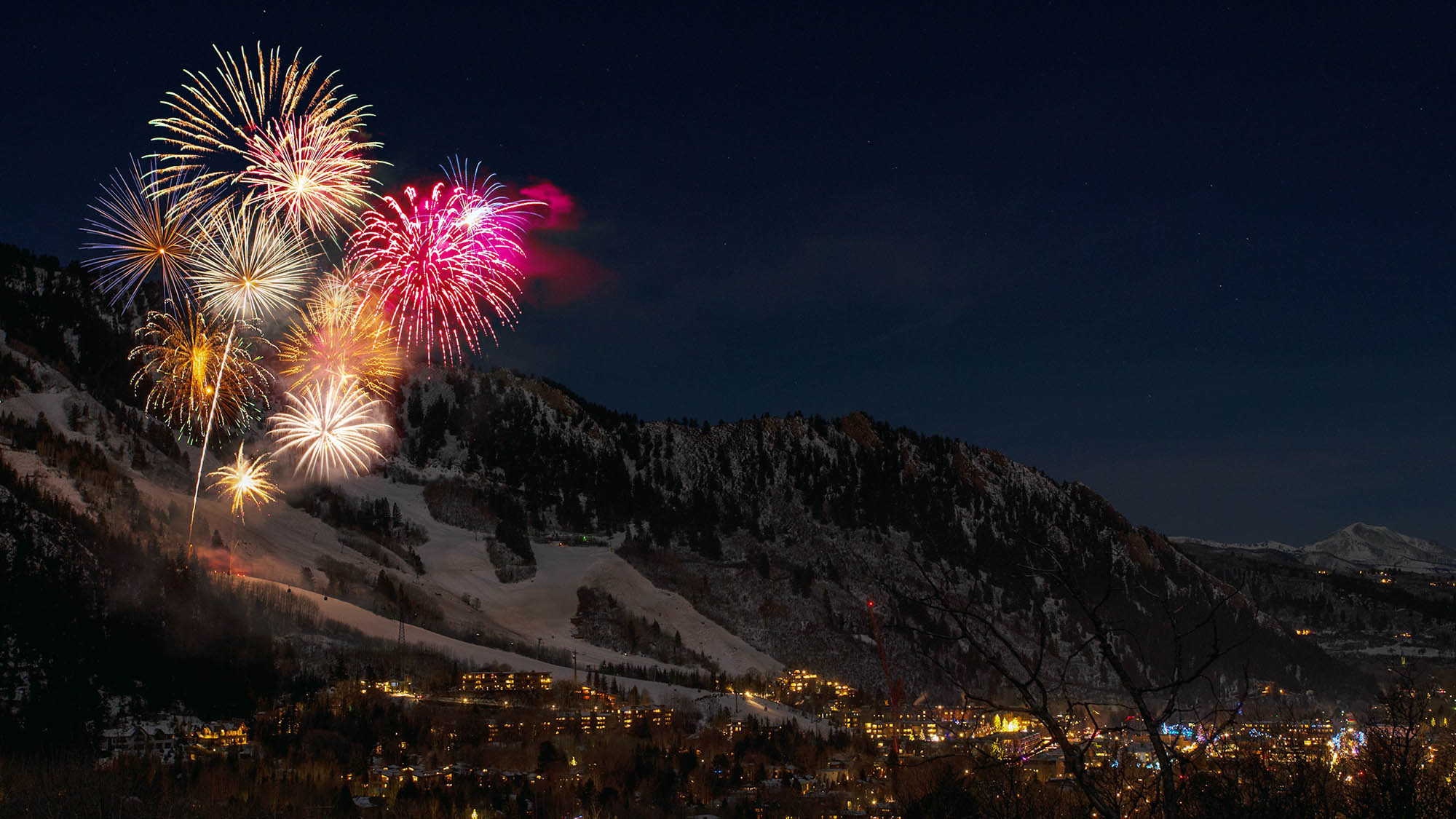
Photo by Jamie Fenn on Unsplash