


We can slash both global warming and species extinctions by a simple change in our diets
A pair of very important papers has been published in the scientific literature over the last few weeks. Analyzing our effects on the environment, they note the terrible predicament that we are in but point to some very powerful solutions.
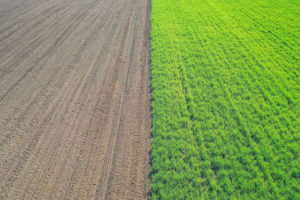
Most prominent among these studies was one published on October 14th in the prestigious scientific journal Nature. Titled Global Priorities for Ecosystem Restoration, the study finds that “rewilding” (that is, returning to nature) just 15% of current agricultural land in certain priority areas would yield enormous benefits. In relatively short order, it would sequester 30% of the CO2 that has been emitted by our burning of fossil fuels since the dawn of the Industrial Revolution. That is, it would remove that CO2 from the atmosphere. Further, it would prevent some 60% of the extinctions now expected to occur over the next several decades.
Digging further into the paper, one learns that were we to restore 30% of agricultural land to the wild, we could sequester fully half of the carbon we have poured into the atmosphere and rescue another 10% of the species now expected to go extinct. Importantly, the authors found that this approach of rewilding our land is among the cheapest possible approaches there is for absorbing and storing CO2 from the atmosphere.
While the article is behind a paywall, Nature provides a very good summary of it in a news piece published in the same issue. The Guardian has a similarly good summary that you can read here. As quoted in the Guardian, one of the study’s authors notes:
“If restoration is not properly planned it could lead to a risk to agriculture and the food sector, but if done properly it can increase agricultural productivity. We can produce enough food for the world and restore 55% of our current farmland, with sustainable intensification of farming.”
And it gets better.
A second paper, published in Science of the Total Environment, another well-respected journal, finds that – by far! – the most effective step we can take towards making rewilding happen is to change what we humans eat. The authors find that widespread adoption of vegan diets would be – again, by far – the most effective approach. This is not surprising, as countless previous studies have shown the same. And, reading the paper, it quickly becomes very clear that we can rewild much more than 30% of the world’s agricultural land if we do so.
All of this comes in the context of the most extreme loss of Amazon rainforest in history – a combined result of global warming and accelerating “slash and burn” agriculture to feed the world’s voracious appetite for meat. Imagine how much good we can do by abandoning that demand for meat and allowing the land to return to supporting what it once so well supported!
These papers make very clear how fundamentally important it is that we adopt a vegan diet. No, this alone will not solve everything: we must drastically reduce our use of fossil fuels as well. And we’ll need to make very good provisions for supporting the farmers who will lose their incomes as we make the change – but that is a small price to pay for the opportunity to rescue humanity and other species from extinction. And we can do it in very large measure by simply eliminating animal products from our diets.
The data is on our side. We can rescue ourselves.
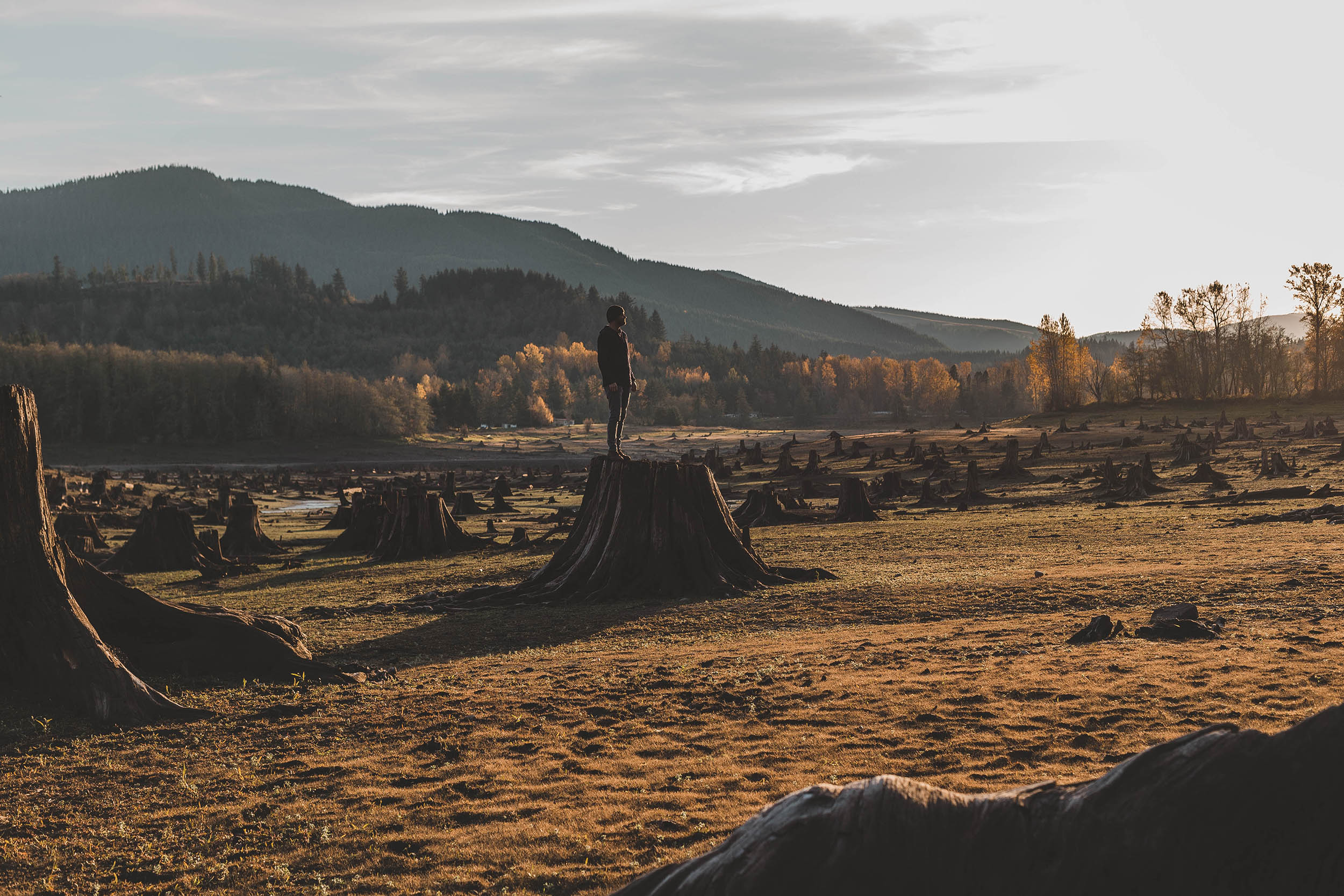
Photo by Dave Herring on Unsplash