


• Why Plant-Based?
    • Overview
    • Sustainability
    • Better health
    • Compassion for animals
  • Resources
    • Virtual speaker series
    • Speakers program
    • Pamphlets
  • Blog
  • About Us
    • Who we are
    • Contact us
  • How to Help
    • Join us
  • Donate
EarthsaveEarthsave
EarthsaveEarthsave
  • Why Plant-Based?
    • Overview
    • Sustainability
    • Better health
    • Compassion for animals
  • Resources
    • Virtual speaker series
    • Speakers program
    • Pamphlets
  • Blog
  • About Us
    • Who we are
    • Contact us
  • How to Help
    • Join us
  • Donate

No, veganism does not make you stupid

No, veganism does not make you stupid

No, veganism does not make you stupid

July 6, 2020 Posted by David Steele

A few months ago, the BBC published a blog post claiming that vegan diets lead to lower intelligence in children. It’s been making the rounds on social media. As I’ll explain, the claim is without merit and is based on a rigged, highly unethical ‘study’ published some 17 years ago. It’s shocking that the BBC let the blog post see the light of day.

The post is based on a single study of generally malnourished kids in Africa, a study published in 2003. The children were fed either low nutrient vegetarian diets or high nutrient meat diets. Quoting the disclosure statement in the published report, it was “sponsored by Global Livestock-CRSP, UC Davis through USAID grant number PCE-G-00-98-00036-00. The supplement publication was supported by Food and Agriculture Organization, Land O’Lakes Inc., Heifer International, Pond Dynamics and Aquaculture-CRSP.”

The conflicts of interest and the grossly unethical nature of the study design – guaranteed to lead to poor outcomes for the kids on the vegetarian diets – are glaringly obvious.

Providing the food with the most nutrients helped the kids most. The only kids offered all of the nutrients they needed were the kids being fed meat. Really, it’s shocking that this study got past ethics review.

Foods with similar nutrient quality are very definitely possible without meat, but that was not what the kids were offered. No B12 supplement, even, was provided to the kids in the non-meat group.

The study has very little meaning in the context of children who can readily get the nutrients they need, such as pretty much everyone in the rich world. These nutrients are available from plants; B12 supplements are cheap to provide as well.

In sum, BBC’s blog is mostly scare-mongering journalism irrationally extrapolating from a study of poor children offered soups of varying qualities, with an aim to a predetermined result. It’s not science. It’s propaganda, propaganda which in this case involved intentionally undernourishing innocent children.

I must note also that the energetic requirements of the brain are poorly met by anything other than carbohydrates.

And, by the way, much bigger epidemiological studies – like EPIC Oxford which follows tens of thousands of Europeans – clearly demonstrate that veganism is associated with substantial health advantages and
find no evidence of intellectual impairment in vegans.


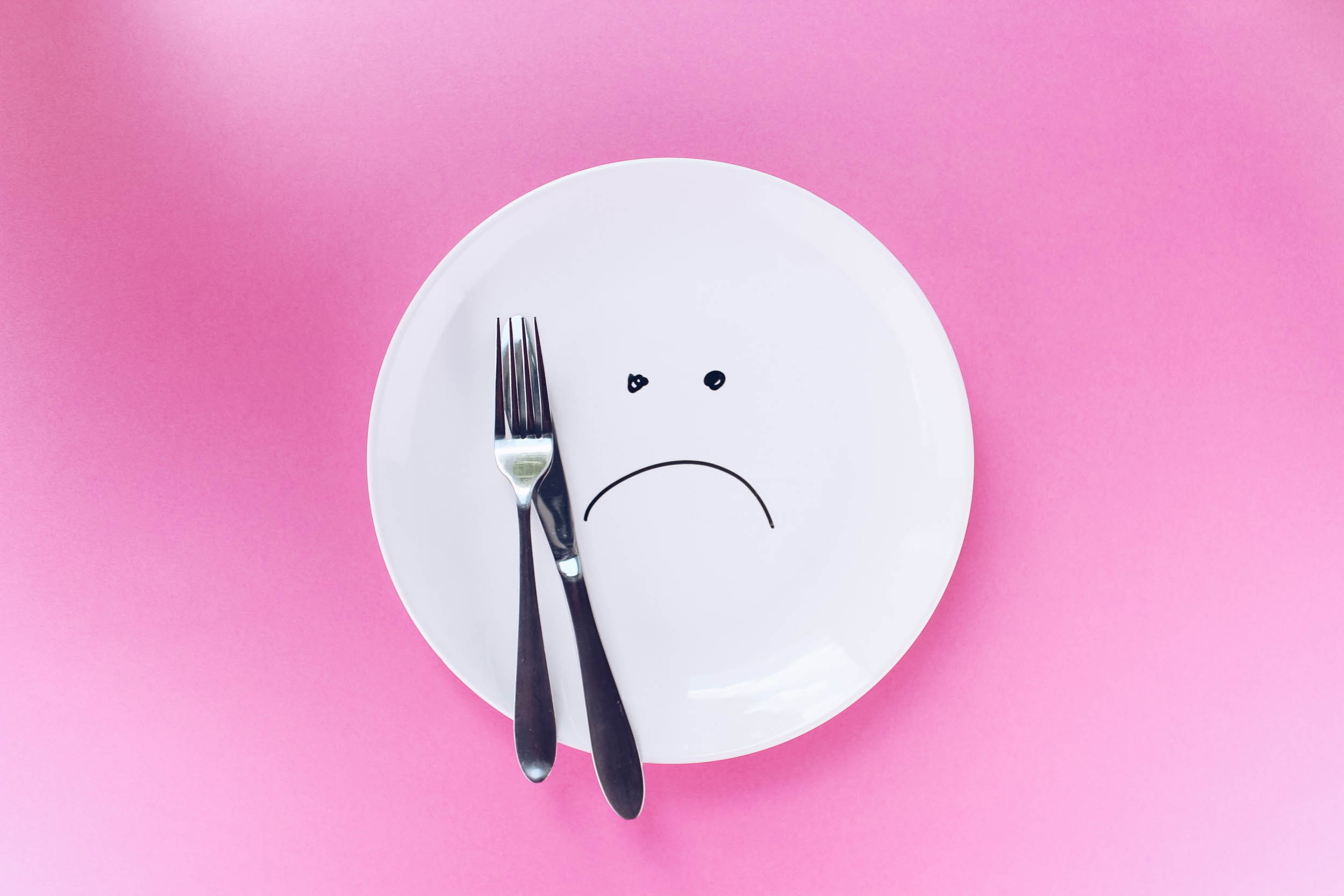
Photo by Thought Catalog on Unsplash

Share
Avatar photo

About David Steele

David is a molecular biologist retired in 2013 from the Faculty of Medicine at the University of British Columbia. He has also held faculty positions at Cornell and Queen’s Universities. Dr. Steele was Earthsave Canada’s President from 2009 to 2018. He is a frequent public speaker and a regular contributor to Earthsave Canada's publications. He is also an occasional contributor to various other publications.

You also might be interested in

Canadian government invests in plant-based food innovation

Canadian government invests in plant-based food innovation

Jul 13, 2020

The government’s effort to support and accelerate innovation in plant-based foods is exciting and welcome news, as the evidence overwhelmingly shows that producing protein from plants takes far less land, water and energy than producing protein from animals, and of course spares animals from the cruelties inherent in animal agriculture.

Better COVID-19 outcomes with a plant-forward diet

Better COVID-19 outcomes with a plant-forward diet

Jul 8, 2021

An overview of what was and was not found in a new study on diet and the severity of COVID-19 infection. Plant-forward eating is associated with better outcomes.

COVID-19: A disaster of our own making

COVID-19: A disaster of our own making

Apr 8, 2020

The relationship between animal consumption and human illness is well established. The widespread adoption of a plant-based (vegan) diet could protect us against future pandemics.

Donate

Recent Posts

  • The Plant-Based Cities Movement: Taking climate action to the municipal level
  • Eating meat leads to longer lives? Beware poorly designed studies with even more poorly interpreted results.
  • Corn chips walking: How the overuse of corn in animal agriculture is devastating our environment

Follow us

Categories

  • Blog

© 2026 · Earthsave Canada.